
Yes, Georgia is generally safe to travel in 2026. Violent crime against visitors is rare, the country ranks among the safer destinations in Europe on most international indexes, and millions of travelers visited in 2025 without incident. If you are asking whether Georgia is safe to travel because of headlines about political unrest, the short answer is that the protests are real but geographically contained, and they have little effect on ordinary tourism.
That said, an honest answer needs more than a one-word reassurance. If you are wondering whether it is safe to travel to Georgia right now, this article covers what the safety data actually shows, the ongoing political situation in Tbilisi and what it means for tourists in practice, the specific areas you should avoid, the common risks worth knowing about, and how traveling with a local operator changes the picture. The goal is to give you enough to make your own informed decision.
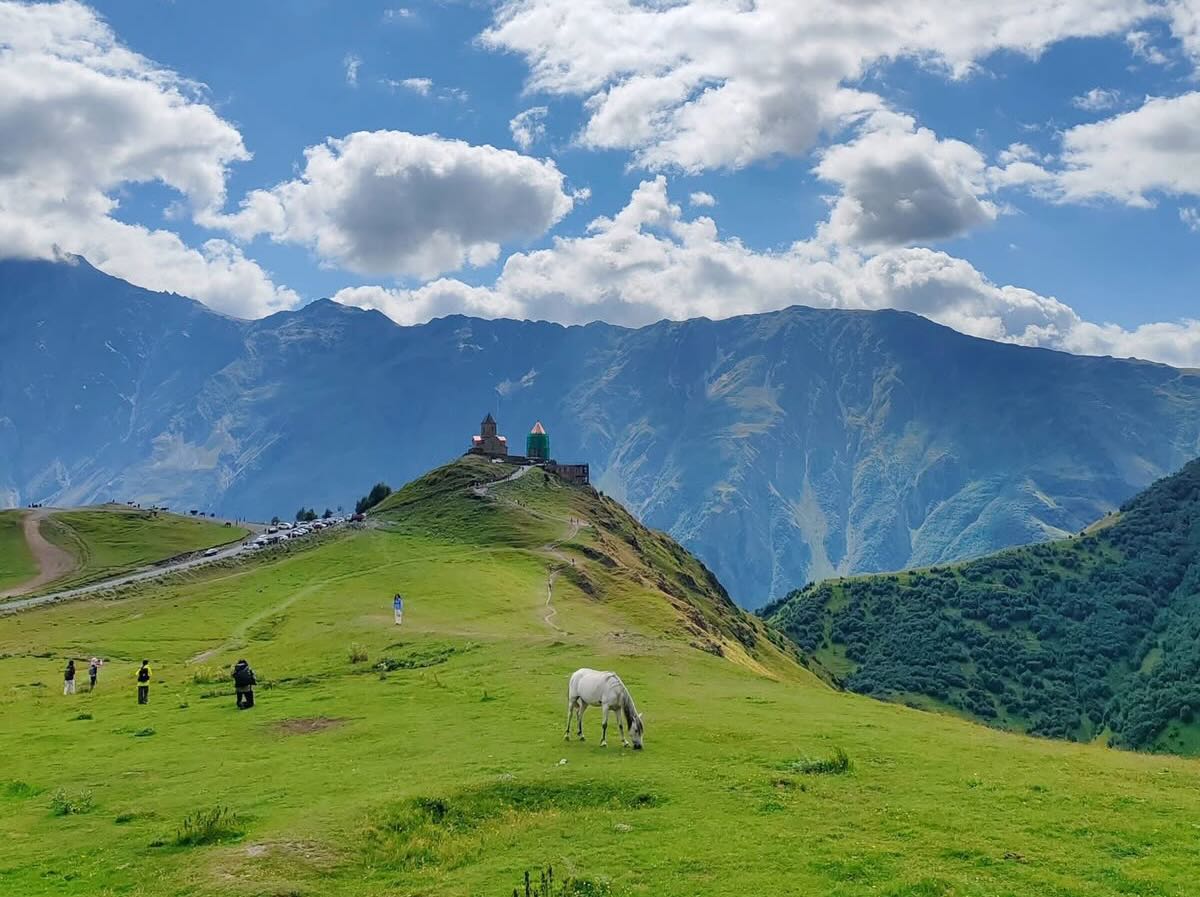
The most useful starting point is the data governments and independent indexes publish. The US State Department currently rates Georgia at Level 1, “exercise normal precautions”, its safest category, the same level assigned to countries like France, Japan, and Australia. The one exception is the Russian-occupied regions of Abkhazia and South Ossetia, which carry a Level 4 “do not travel” designation (more on those below).
Independent crime data tells a similar story. In the 2026 Numbeo Safety Index, Tbilisi ranks 49th out of roughly 380 cities worldwide, with a Safety Index score of about 80 out of 100 — placing it ahead of many popular Western European capitals and comfortably in the top tier globally. Georgia consistently outperforms much of its neighborhood and a good number of mainstream European destinations on reported crime.
None of this means zero risk exists anywhere. But the baseline picture is clear: by the measures most travelers rely on, the answer to whether Georgia is a safe country is yes; it is a low-crime destination.
This is the part most travelers are actually worried about, so it deserves a clear, honest explanation.
Since the disputed October 2024 parliamentary elections and the government’s subsequent decision to suspend EU accession talks, Georgia has seen sustained anti-government protests. They began on November 28, 2024, and as of mid-2026 have passed 500 consecutive days — one of the longest continuous protest movements in post-Soviet Europe. The demonstrations are pro-European and largely peaceful, concentrated mainly around one area: Rustaveli Avenue and the area around the parliament building in central Tbilisi, primarily in the evenings.
What matters for travelers is what this looks like on the ground. The protests have not spread to other regions or other parts of the country. Tourist sites, restaurants, museums, hotels, public transport, and daily life across Tbilisi and the rest of Georgia operate normally. Most visitors who are not specifically seeking out the protest zone would never encounter a demonstration at all. There have been periods of heightened police activity, including bag searches near the parliament and, at times, crowd-control measures during larger gatherings, but this activity is localized.
The practical advice is straightforward. Avoid Rustaveli Avenue and the immediate parliament area in the evenings, when demonstrations are most active. Do not participate in or photograph the demonstrations up close; tourists who join protests can face fines, detention, or questioning when they leave the country, and foreign involvement in domestic protests is treated seriously. Check local news before making evening plans in central Tbilisi. Beyond that, there is no need to alter a normal itinerary.
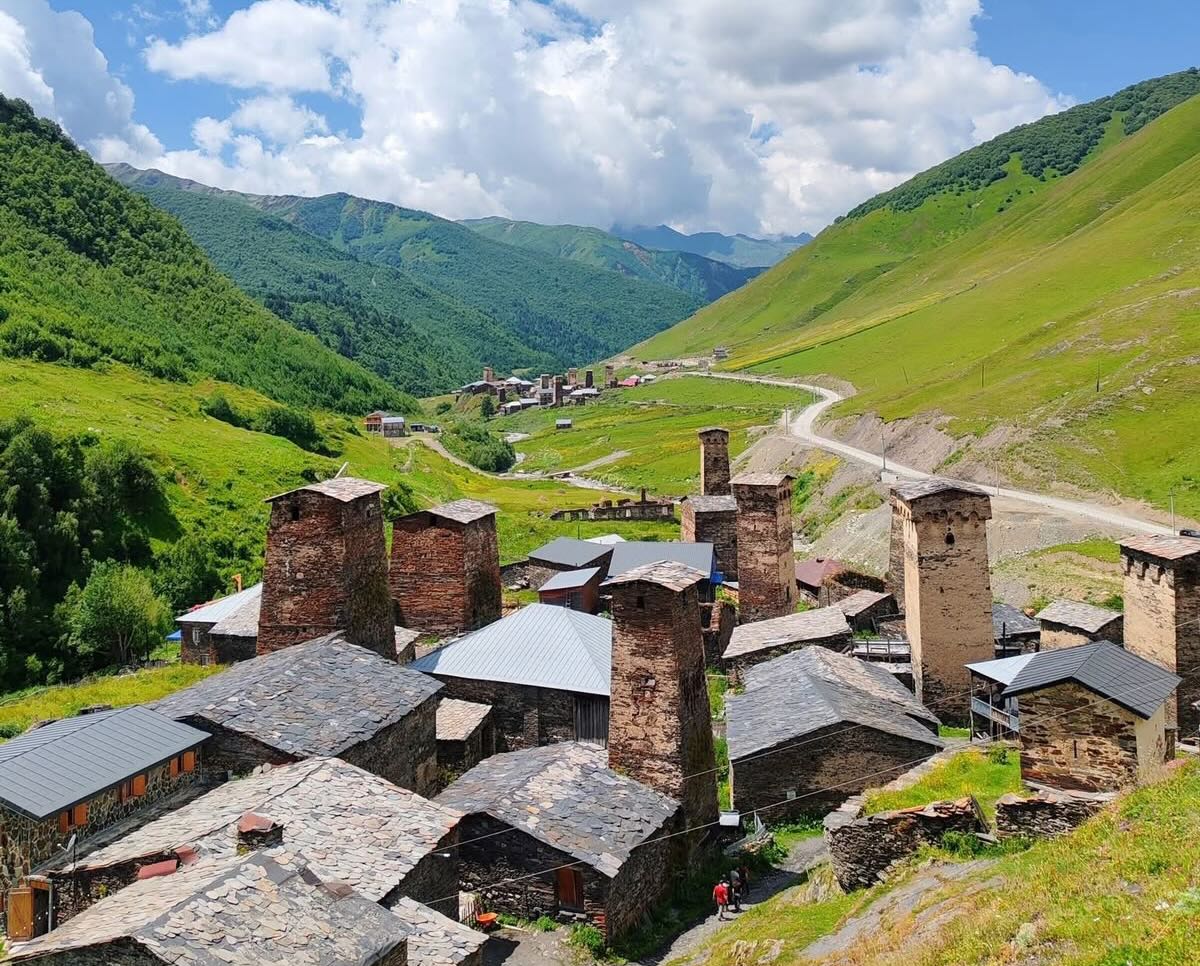
Most of Georgia is open and welcoming. Two categories of location, however, call for clear rules.
These two Russian-occupied regions are genuine no-go zones. Do not travel there under any circumstances. The risks include arrest and imprisonment by de facto authorities, landmines near the administrative boundary lines, and the near-total absence of consular assistance for most nationalities if something goes wrong. The US, UK, Canadian, and Australian governments all advise against all travel to these areas. Entering from the Georgian side is also prohibited under Georgian law. Treat both regions as entirely off-limits.
Rustaveli Avenue, Freedom Square, and the area immediately around the parliament building can see protest activity, mainly in the evening hours. Tourists are not targeted, but police responses to demonstrations have at times involved tear gas and other crowd-control measures, and you do not want to be caught in the middle of that. The practical solution is simple: avoid these specific blocks after dark and plan your evening activities in Tbilisi’s many other neighborhoods, which are entirely unaffected. During the day, this same area is generally calm and walkable.
Traveling with a local operator on a Caucasus tours itinerary means your guide handles routing decisions day by day, including steering around any active protest areas so you never have to track the situation yourself.
Beyond the political situation, a handful of everyday concerns are worth understanding, and none of them are unusual for a popular travel destination.
Violent crime is rare, but petty theft and tourist-targeted scams do exist. The most common ones are airport and street taxis overcharging (use the Bolt app instead, which fixes the fare in advance), inflated-bill scams at certain nightlife bars in central Tbilisi, and occasional pickpocketing in crowded markets and transit. These are manageable with basic awareness, keeping valuables secured, agreeing on prices before you commit, and being cautious about strangers who steer you toward a specific bar. None of this is unique to Georgia.
This is the risk most safety articles underplay. Georgian driving can be aggressive, especially in cities, and mountain roads present real challenges: livestock on the road, sharp turns, and poor visibility at night. For visitors, the sensible approach is to skip self-driving for inter-regional travel and instead use a guided tour or a hired local driver who knows the roads. Cascade Travel’s private tours include experienced local drivers precisely for this reason, which removes the single most underrated risk of a Georgia trip.
Travelers continuing from Georgia into Armenia can explore Armenia tours for itineraries that include local drivers and guides throughout.
Georgia is widely considered a good destination for solo travelers, including women. Catcalling is uncommon, and the country’s hospitality culture is genuinely warm toward guests. The standard precautions that apply anywhere being aware at night, keeping tabs on your belongings, and using reputable transport are enough. Many solo female travelers report Georgia as one of the more comfortable places they have visited in the wider region.
For the current moment, traveling with a locally based operator makes a lot of practical sense — not because Georgia is dangerous, but because local knowledge is always an advantage. A guide who lives in the region knows which streets to avoid on any given evening, handles all the transport logistics (including those mountain roads), and can make on-the-ground judgment calls that no travel article can fully replicate. It simplifies navigating an unfamiliar city during a period of political tension and lets you focus on the trip itself.
Cascade Travel runs both single-country Georgia trips and combined Armenia-and-Georgia itineraries from its base in Yerevan, with guides who live and work in the Caucasus year-round. Its Georgia tours are led by local guides based in the region, who navigate logistics and on-the-ground conditions on your behalf. Travelers who want to see both countries in one trip can choose from itineraries that include local support throughout.
So, is the country of Georgia safe? On balance, yes, it remains one of the most rewarding and distinctive destinations in the region. The political situation is real but geographically contained to a few blocks of central Tbilisi in the evenings; violent crime is genuinely rare, and the country’s hospitality, dramatic landscapes, and celebrated food and wine make it a trip worth taking. Travel informed, keep the simple precautions in mind, and lean on local support where it helps, especially if you’re planning to visit both countries on one of our Armenia and Georgia tours.