
Armenia is small enough to cover properly in a week and varied enough that you never settle into one landscape. Yerevan to the southern wine region is under three hours by road, but in that distance the country shifts from flat valley farmland to red rock gorges to high plateau. The north is volcanic highland, the east forested river valley, the south open mountain country, and the capital sits in the middle with a food and wine scene that has come a long way in a decade. This guide covers the best places to visit in Armenia region by region, from the sites every visitor sees to the ones most itineraries skip.
For hikers, Mount Aragats, the Geghama Mountains, and Khustup have their own section below.
Almost every trip to Armenia begins here, and it earns a couple of days. Yerevan is walkable, pink-stoned, and easy to like. The Cascade staircase and Republic Square are the two landmarks you will recognize from photographs, and both are worth your time, particularly Cascade in the early evening when the city comes out to sit on the steps. The museums are good, with several worth making time for, and the wine bars and restaurants around the center are one of the real reasons to come.
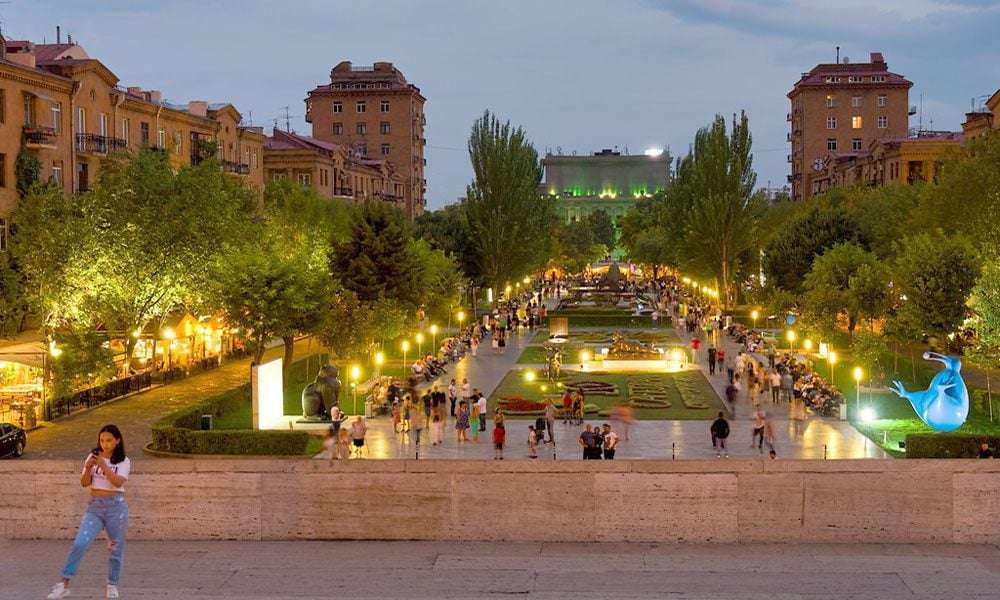
What Yerevan is not is a major European capital, and treating it like one is the most common way first-time visitors waste a day. Two nights is usually right; beyond that, the time is better spent in the regions. If your visit includes a weekend, give the covered Vernissage market an hour for handmade crafts, carpets, and Soviet-era odds and ends.
Garni and Geghard are 10 minutes apart in the Azat valley, about 40 minutes east of Yerevan, and most people see both in a half day.
Garni is a 1st-century temple and the only standing Greco-Roman colonnaded building in the former Soviet Union. An earthquake brought it down in 1679, and it was rebuilt from its original stones in the 1970s. Below the temple, the gorge is lined with the Symphony of Stones, a wall of hexagonal basalt columns that look like organ pipes. You can walk down in about 20 minutes or drive to the bottom.
Geghard is a UNESCO World Heritage Site, and part of it is cut straight into the cliff behind it. The main church dates to 1215, and several of the chambers are carved out of the rock. The acoustics inside are remarkable if a choir happens to be singing. The name means “spear,” after the relic once kept here that is said to have pierced Christ.
Echmiadzin is about 30 minutes west of Yerevan and is the seat of the Armenian Apostolic Church. Its Mother Cathedral was first built in the early 4th century, soon after Armenia became the first country to adopt Christianity as its state religion in 301. It is often described as the oldest cathedral in the world. The cathedral and the nearby churches of St. Hripsime and St. Gayane are a UNESCO World Heritage Site together with the ruins of Zvartnots, which you pass on the road back to Yerevan. Half a day covers all of them.
South of Yerevan, the land flattens into the Ararat Valley, and this is where the most recognizable view in the country sits. Khor Virap monastery stands alone on a low hill with Mount Ararat filling the sky behind it. The mountain is in Turkey, just across a closed border, which is part of what makes the view land the way it does. Ararat is the national symbol of Armenia, and seeing it clearly on a still morning is one of the most memorable moments of a trip here.
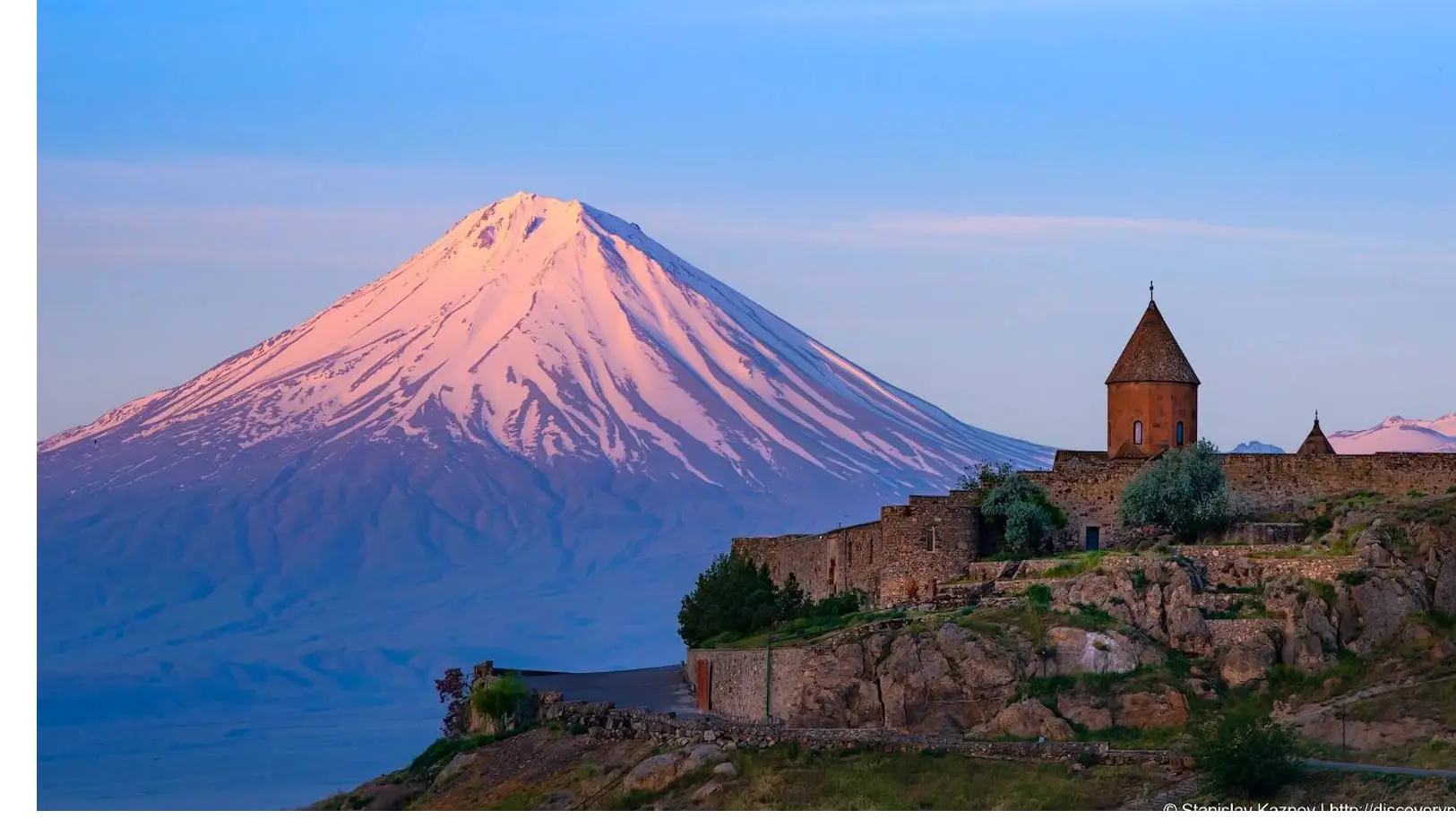
The monastery is worth entering for the history as much as the setting. This is where Gregory the Illuminator was held in a pit for thirteen years before converting the Armenian king and, with him, the country. You can climb down into it. Khor Virap is about 45 minutes from Yerevan and combines naturally with Noravank and Areni as a single full day.
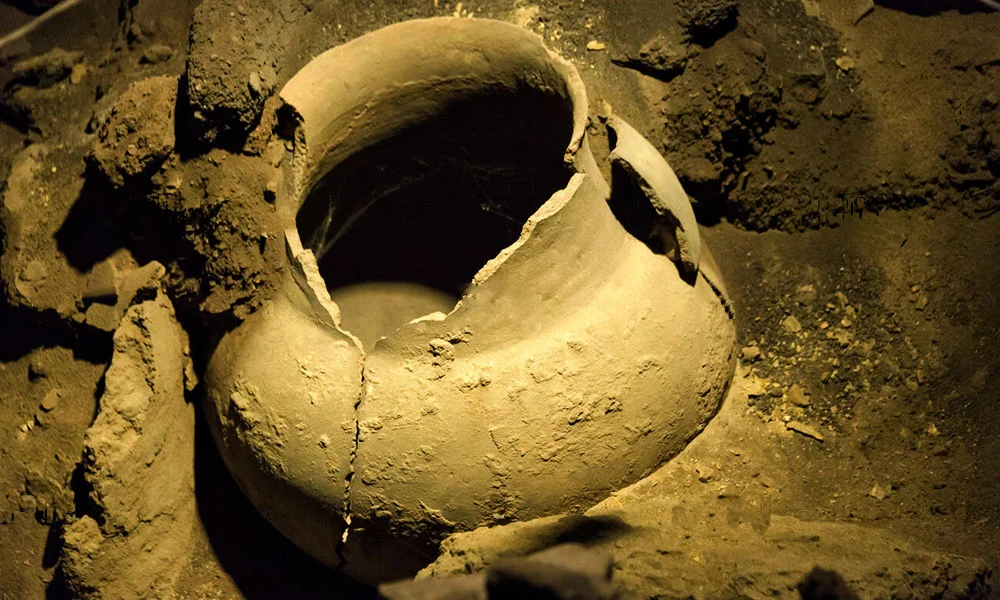
Vayots Dzor is Armenia’s main wine region and one of the most rewarding places to visit in Armenia if you have a full day to give it. The village of Areni and the high-altitude valley around it produce Areni Noir, the indigenous red grape that most of the country’s serious winemaking is built on. Family wineries here are small and informal, and tastings tend to involve whoever is around at the time. A few minutes away, the Areni-1 cave has produced the oldest known winemaking facility in the world at roughly 6,100 years, which gives the tastings a certain weight.
The region’s other draw is Noravank, a 13th-century monastery set at the end of a narrow gorge of vertical red rock. The drive in is as good as the arrival, and the church itself, with its external stone staircase, is among the most architecturally striking in Armenia. Vayots Dzor is about two hours from Yerevan and works well as either a long day trip or an overnight stay. Several of Cascade Travel’s Armenia trips include Vayots Dzor, and our guide to wine tours in Armenia covers the wineries in more detail.
Jermuk is a spa town at about 2,000 meters, roughly 2.5 hours from Yerevan and a short detour off the main road south. It is known for its hot mineral springs and its bottled water, which you will see all over the country. The main sights are the 70-meter waterfall, the gallery where you can taste the spring water at different temperatures, and the forest walks along the gorge. It makes a quiet overnight stop on the way to Syunik.
Syunik is the least visited region in this guide and the one that rewards the effort most. It takes a night or two rather than a day trip, and the further south you drive, the more dramatic the country gets.
Tatev is the most remote of Armenia’s major monasteries, perched on a basalt plateau above the Vorotan Gorge. You reach it on the Wings of Tatev cable car, 5.7 kilometers of it, one of the longest reversible cable cars in the world and an attraction in its own right. The 9th-century monastery was once among the most important centers of learning in the medieval Armenian world. The setting is distinctive, with steep drops on three sides, mountains in every direction, and very little sound. Allow a full day from Yerevan, or better, stay in the south the night before.
On the Syunik plateau above Sisian stands a prehistoric stone circle sometimes called Armenia’s Stonehenge. Karahunj is made up of roughly 220 basalt standing stones, some with holes bored clean through them that may have served an astronomical purpose. It sees considerably fewer visitors than Armenia’s better-known archaeological sites. The setting is part of the appeal: open plateau, wind, snow-capped peaks on the horizon, and relatively few visitors. It is about 30 minutes from Goris, the main town in Syunik and a sensible base for the region.
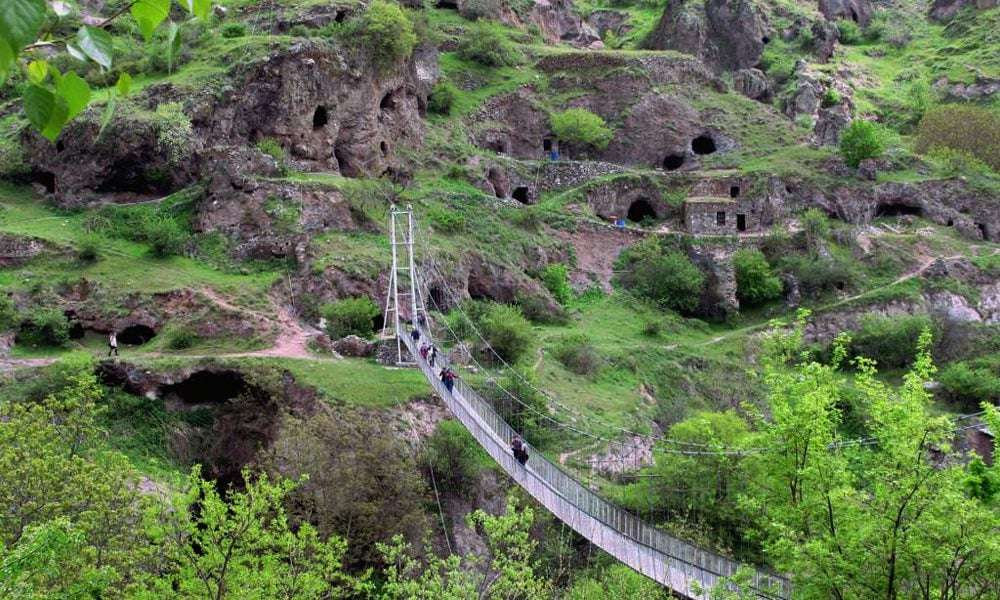
Goris is a 19th-century town of stone houses laid out on a grid beneath eroded rock formations, and it makes a pleasant overnight base between Tatev and Karahunj. Just outside it, the abandoned cave village of Khndzoresk is dug into the walls of a gorge, with dwellings, stables, and a church carved into the rock. People lived here into the middle of the 20th century. A swinging suspension bridge crosses the gorge and gives you the best view of the settlement. It is unusual, and it is quiet.
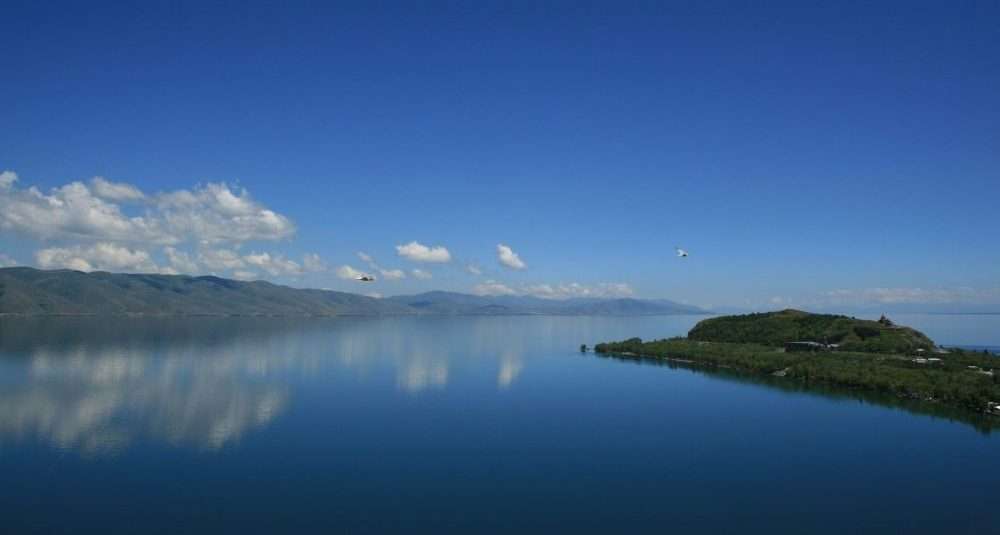
Lake Sevan is the largest lake in the Caucasus and sits at 1,900 meters, which is why the water stays cold, and the air stays clear even in midsummer. The main stop is Sevanavank, a pair of 9th-century churches on a peninsula reached by a flight of steps, with a wide view back over the water. It is a short visit rather than a half day.
The lake is at its best in spring and early summer, when the hills are green and the shoreline is quiet. In July and August it fills with domestic holidaymakers and the beaches get busy. Sevan sits about 1.5 hours from Yerevan and pairs naturally with Dilijan on the same day, which gives you lake and forest in one run.
Dilijan is a forested resort town in the north, closer to the Georgian border than to Yerevan, and the change in air and scenery when you come through the tunnel is immediate. Dilijan National Park covers the surrounding beech and oak forest and has some of the best walking in the country. The town has a restored 19th-century quarter of wooden-balconied houses with craftsmen’s workshops and small galleries along it.
The walk most worth planning around is the half-day forest trail to Haghartsin Monastery, a shaded, gentle route that ends at a 13th-century complex sitting in a clearing surrounded by trees. If you are staying more than one night in the region, Ijevan and the Pambak valley are both worth building in, and the road between them is one of the prettier drives in Armenia.
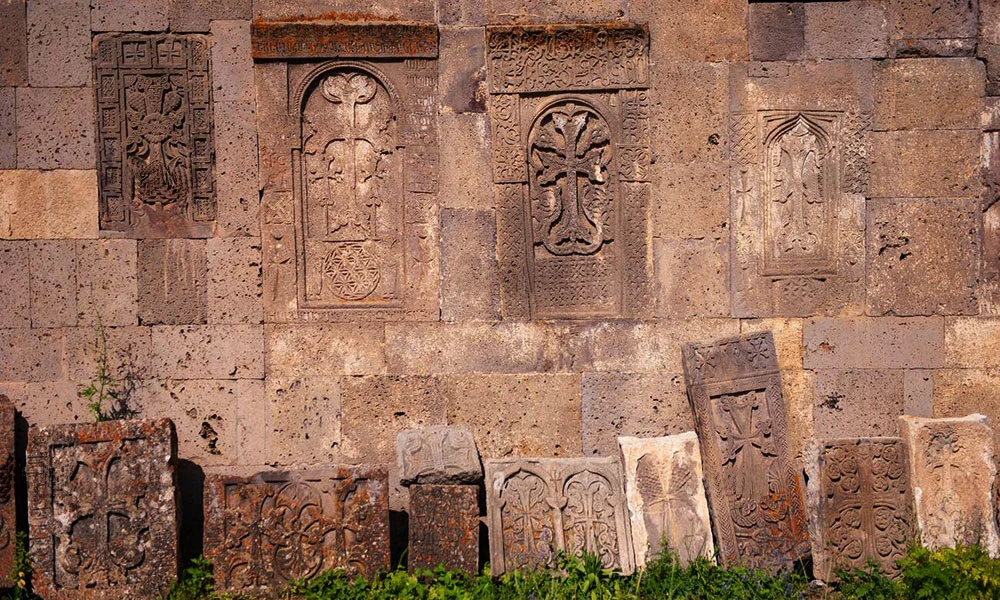
In the far north, near the town of Alaverdi, the Debed River cuts a deep canyon through the Lori region. On the plateau above it are Haghpat and Sanahin, two 10th-century monasteries listed together as a UNESCO World Heritage Site. Both were major centers of learning in medieval Armenia, and both still have their large stone halls, libraries, and khachkars (carved cross-stones). They are about three hours from Yerevan, so they work best on the way to or from the Georgian border, which is under an hour further north.
If you want more than sightseeing, Armenia’s mountains offer high-altitude landscapes, challenging routes, and relatively few visitors. These are not casual walks. They are dedicated hiking destinations with real elevation, changeable weather, and almost no infrastructure. That’s why it’s advised you plan for it properly for your safety. Cascade Travel runs guided hiking tours covering all three regions below.
The Geghama range is a high volcanic plateau between Yerevan and Lake Sevan, rising to 3,597 meters at Azhdahak. The landscape has no equivalent elsewhere in the country: crater lakes sitting in old volcanic cones, vishaps, the carved basalt dragon stones that have stood here for thousands of years, and open ground with nothing on it but shepherds and their flocks. The nights are exceptionally clear. There are no marked trails and no shelter, so you need a guide, a vehicle that can handle the approach, and proper gear. The trek usually takes two to three days and works from May through September. The Trek and Climb Armenian Volcanoes itinerary includes the Geghama Mountains, along with camping and guided hiking.
Aragats is the highest mountain in Armenia, northwest of Yerevan in the Aragatsotn region. It has four summits around a central crater, and the southern peak at 3,888 meters is the one most guided ascents target. The hike starts at Lake Kari at 3,200 meters, so the elevation gain is manageable, but the conditions are properly alpine, and snow is possible on the upper slopes into summer. On a clear day, the summit view takes in Ararat and the full sweep of the Armenian highlands. Lake Kari is about 2.5 hours from Yerevan, which makes Aragats the most accessible serious climb in the country.
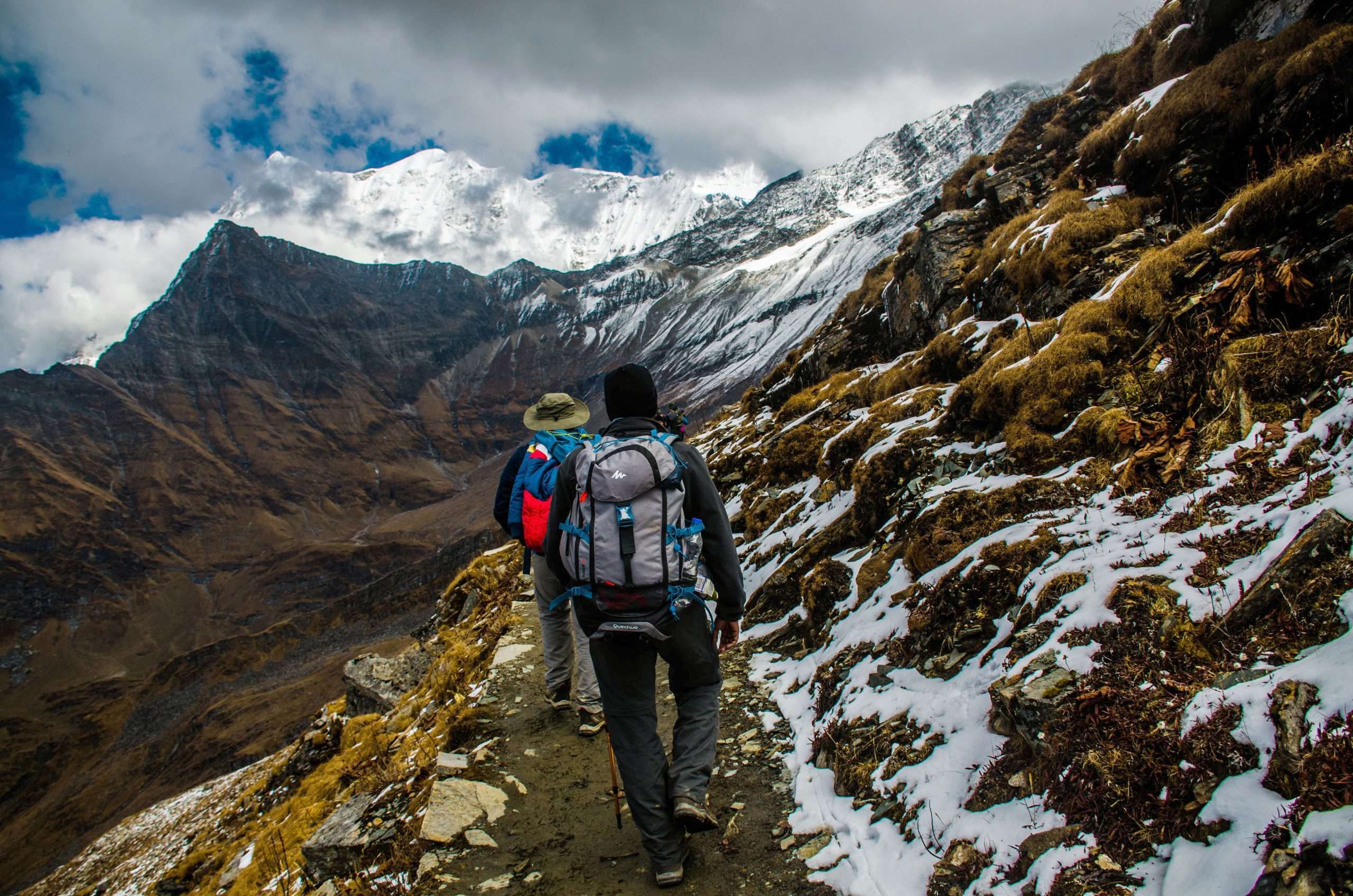
Khustup rises to 3,201 meters in southern Syunik and is the highest point of the Khustup-Katar range. The route runs around 15 kilometers from a start point at roughly 1,060 meters, and the ascent takes the better part of two days. The mountain carries meaning beyond the hiking: Garegin Nzhdeh, the Armenian commander who defended this region in the 1920s, is buried at its base, which makes the climb a pilgrimage for many Armenians. The views run across the Syunik plateau and south toward the Iranian border. Mid-April to September is the workable season, and it combines well with Tatev, about an hour away. Cascade Travel’s adventure tours include options for exploring Armenia’s mountainous regions.
Gyumri is the second largest city in Armenia and its cultural counterweight to Yerevan. The 1988 earthquake destroyed much of it, and the rebuilding has been slow and uneven, which is part of what you are looking at when you walk through it. The surviving 19th-century quarter, built in dark tuff stone, is atmospheric in a way nowhere else in the country is.
The main draws are the Dzitoghtsyan Museum of National Architecture and Urban Life, the Black Fortress, and the old market square. Gyumri is about 1.5 hours from Yerevan and deserves a full day if Armenian history and city life beyond the capital interest you.
The geography does most of the itinerary planning for you. Yerevan works as your base for the first few days, with Garni, Geghard, and Echmiadzin as easy half days and Khor Virap, Noravank, and Areni as a full day in a loop south. From there, push down into Syunik for a night or two, stopping in Jermuk on the way, so that Tatev, Karahunj, and Goris are not a rushed round trip. Come back north via Lake Sevan and Dilijan, and finish in the Debed Canyon if you are crossing into Georgia. That sequence covers the main places to visit in Armenia without doubling back on yourself.
Seven days covers the main sites. Ten days lets you add Gyumri and the Debed Canyon, slow down through Syunik, and build in a hiking day. For sample routes, see our Armenia trip itineraries by duration and season.
Cascade Travel’s trips are structured around this geographic logic, with 7 to 10-day itineraries that cover the country without rushing, and local guides in each region who know the terrain and the access points. If you are combining Armenia with Georgia, the Caucasus tours cover two-country itineraries with local support on both sides of the border.
Good main roads link most of these places, but public transport between them is limited. Marshrutkas (shared minibuses) run from Yerevan to Sevan, Dilijan, Gyumri, Goris, and Jermuk. They are cheap, but they keep loose schedules, and most monasteries are off their routes. A taxi or private driver from Yerevan is the practical option for day trips. A guided tour makes the most sense for Syunik and the mountains, where distances are long and access roads are rough. Timing matters as much as transport: May, June, September, and October are the most comfortable months for most of the country, and our guide to the best time to visit Armenia covers each season.