
The best time to visit Armenia is from May to June and from September to October, when mild weather makes it ideal for sightseeing, cultural tours, and outdoor activities. During these months, temperatures are comfortable, landscapes are vibrant, and travel conditions are especially pleasant across the country.
However, Armenia is a year-round destination. Summer is perfect for mountain adventures, festivals, and lively city life, while winter attracts visitors seeking snow-covered scenery and skiing experiences. Spring and autumn offer balanced weather, fewer crowds, and excellent opportunities to explore both nature and historic landmarks.
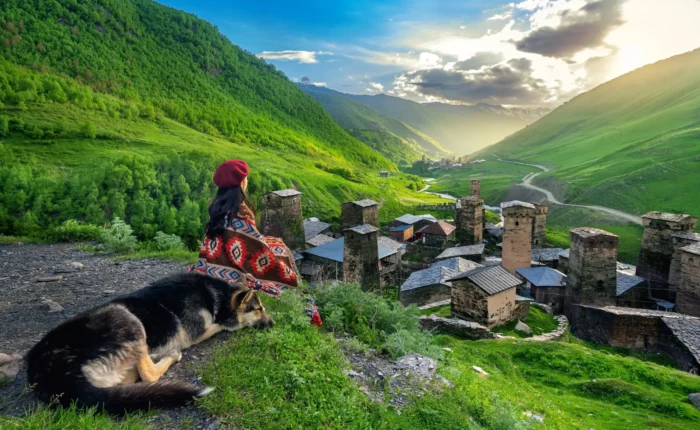
Armenia is a mountainous country with an average elevation of 1850 meters above sea level. Nearly half of its territory rises above 2000 meters, creating dramatic landscapes and noticeable climate variations across regions.
Located in the South Caucasus, Armenia borders Georgia, Turkey, Iran, and Azerbaijan. The country has a highland continental climate in most areas, while the southern regions experience milder, subtropical influences. In higher mountainous regions, temperatures can fall significantly in winter, bringing heavy snow, while Yerevan and the Ararat Valley tend to have milder conditions.
Assessing travel safety in Armenia is crucial, especially if you plan to travel beyond the capital, Yerevan, where road conditions and local regulations may differ. Understanding regional differences helps you plan your trip more confidently and choose the best time to visit Armenia.
Humidity levels are generally low, with average annual precipitation of around 520 mm. With more than 300 sunny days each year, Armenia offers excellent weather conditions for sightseeing and outdoor activities.
| Month | Temperature | Rainfall | Best For |
|---|---|---|---|
| January | -5 to 5 | 20 | Snow landscapes, winter sports |
| February | -3 to 7 | 20 | Skiing, winter travel |
| March | 3 to 15 | 30 | Early spring travel, fewer tourists |
| April | 8 to 20 | 40 | Sightseeing, blooming landscapes |
| May | 12 to 25 | 45 | Hiking, outdoor activities |
| June | 16 to 30 | 35 | Festivals, mountain trips |
| July | 18 to 35 | 20 | High-altitude hiking, Golden Apricot Film Festival |
| August | 18 to 35 | 15 | Outdoor adventures, lake activities |
| September | 14 to 30 | 20 | Grape harvest, cultural tours |
| October | 8 to 22 | 30 | Autumn colors, photography |
| November | 2 to 15 | 25 | Quiet time for visitors, lower prices |
| December | -2 to 7 | 20 | Snow season, holiday atmosphere |
Snowy winters in Armenia begin in December and last until the end of February. The winter months, especially January and February, bring stable snow conditions in higher elevations. However, the lofty mountains, reaching over 3000 meters, hold their snowy slopes until mid-May, delighting freeride skiers.
Winters in Yerevan are usually dry, with temperatures ranging from +5 to -10 degrees Celsius. However, regions within an hour of the capital can be much colder, dropping to -20 degrees with heavy snowfall. If you want to experience snow in Armenia, check the weather in Tsaghkadzor or Aparan.
Armenia has two mountain ski resorts, Tsaghkadzor and the newer Myler resort. Both offer reliable winter conditions and attract visitors looking for mountain scenery and snow-based activities.
Winter in Armenia is ideal for active travelers. Popular activities include cross-country skiing, alpine skiing, freeride skiing, snowboarding, and snowkiting. With experienced instructors involved in winter tourism, Armenia can confidently be considered an emerging winter destination.
Winter is also closely linked to New Year celebrations, one of the most important family holidays in Armenia. From December 15, Yerevan’s streets are decorated with festive lights, creating a warm seasonal atmosphere across the city.
Republic Square features a large Christmas tree, and public concerts are held almost daily from December 31 to January 13. Christmas markets fill the city center, where visitors can buy handmade souvenirs, traditional dried fruits, herbal teas, snacks, soups, and even mulled wine.
The best time to visit Armenia for snow is from December to May, a wide window for diverse snow activities with varying difficulty levels. As mentioned above, snowy winters in Armenia begin in December. This period attracts people who have never experienced snow before, providing them with the opportunity to marvel at its beauty, experience the texture, and engage in some snowball fights.
Make the most of your winter trip with our discounted early bird tours at Cascade Travel. Booking early secures your spot during the busy snow season and helps you save on travel costs. Our packages give you the whole experience of Armenia’s winter charm, from snow-covered mountains to cozy village stays, all at great value.
Starting in January, ski resorts typically offer reliable snow coverage for mountain skiing and snowboarding. During these winter months, temperatures drop consistently in higher elevations, creating stable conditions for winter sports.
If you want to experience these activities, you can choose between Tsaghkadzor and Myler based on the information provided below:
Tsaghkadzor holds 30 km of slopes, served by 3 ski lifts. The upper lifts are of Soviet origin, while the lower lift is changed. The skiing elevation ranges from 1,970–2,819 m. Tsaghkadzor offers a well-developed infrastructure with hotels, guesthouses, cafes, and restaurants, allowing you to stay in the resort and save time on traveling from Yerevan.
Myler, on the other hand, is a newly opened ski resort. It offers a total of 92 km of tracks suitable for all ability levels. There are plans for 16 ski lifts, including a gondola, fast chairlifts, and quad chairs, but currently only 2 are operational. The resort plans to further develop its on-site hotel village, and several guest accommodations are already available near the pistes. For now, visitors typically stay in Yerevan or nearby accommodations.
Freeride skiers are welcome from March to May, when the slopes of Mount Aragats offer excellent backcountry conditions. During this period, especially in Armenia in March and April, higher elevations retain deep snow before it gradually melts in late spring.
You can enjoy fresh snow and untracked paths, and heli-skiing is available for organized groups. For experienced freeride skiers, this is considered one of the best months to visit Armenia for off-piste adventures.
In conclusion, whether you are an experienced freerider, a keen mountain skier, or just starting to ski, Armenia offers diverse natural terrain for all levels. While many European ski destinations increasingly rely on artificial snow during warmer winters, Armenia’s high-altitude mountainous regions continue to retain strong natural snow coverage, particularly from January through early spring. Some resorts, including Myler, also use artificial snow systems when necessary to maintain piste quality and ensure stable skiing conditions throughout the winter season.


Each season in Armenia has its own charm, making any time a potential best time to visit. However, for many travelers, spring and summer are considered the best months to visit Armenia. Spring is especially beautiful as nature awakens across the country.
Armenia in March can still bring occasional rain showers and light frost, with temperatures gradually rising to around +10 to +15 degrees Celsius. As the snow melts in higher elevations, rivers become fuller and landscapes start turning green. Even with rare snowfall, Yerevan remains lively and comfortable for visitors.
By April and especially May, temperatures become warmer and more pleasant, sometimes reaching up to +30 degrees. Trees bloom in a stunning variety of colors, transforming landscapes into vibrant natural scenes.
For travelers who appreciate scenic views, fresh air, and comfortable temperatures, spring is one of the best times to visit Armenia and a perfect time to explore the countryside.
Spring is the ideal season for botanic tours in Armenia. During spring, the country’s landscapes are covered with wildflowers and diverse vegetation. Armenia is home to nearly 3,200 plant species, including around 126 endemic species that grow only in specific regions.
Notable examples include the Armenian rowan, Susanklein’s hawthorn, and Tamamshyan’s salsola. Some of these species are listed in the first edition of the Red Data Book of Armenia.
Many botany enthusiasts plan their visits from May to June, when flowering landscapes are at their peak and it becomes a time to enjoy natural areas such as Dilijan National Park.
Armenia lies across birds’ migration path, and in addition to that, the country is home to its own endemic and unique species. Around 350 species of birds are recorded in Armenia with 240 of them breeding in the country. May and June are the best time to travel to Armenia for bird watching.


For wine enthusiasts, Yerevan Wine Days is a must-attend event celebrating Armenia’s winemaking heritage, which dates back more than 6000 years to the Areni-1 cave complex. Archaeological discoveries there revealed wine production installations from around 4000 BC.
During Yerevan Wine Days, several central streets are closed to traffic and transformed into open-air tasting areas. Wineries and restaurants present their selections at individual booths.
An entrance ticket, approximately 30 euros, includes a fabric wine holder, a glass, and tasting coupons. The festival atmosphere is lively, with Armenian musicians performing and international sommeliers leading master classes. Armenia in June is especially attractive for wine lovers, as the weather is mild and the city is full of cultural events.
The date of Easter changes each year, as in other Christian churches, and usually falls between late March and mid-April. For those planning to visit Armenia in April, this period offers a meaningful opportunity to witness one of the country’s most important religious celebrations. Churches hold a Saturday evening liturgy followed by Sunday Holy Mass to celebrate the Resurrection of Jesus Christ.
Easter is an important family holiday in Armenia, and traditional meals play a central role. A sweet rice pilaf with dried fruits and raisins is served with lavash, the traditional Armenian flatbread.
Fish, red colored boiled eggs, fresh and baked greens, and red wine are all part of the traditional Easter table. The red wine symbolizes the blood of Christ, emphasizing the spiritual meaning of the celebration.
As spring continues and the weather is mild, visitors can combine the holiday atmosphere with sightseeing. Spring and early summer offer pleasant weather for exploring cultural landmarks, making this season especially rewarding for cultural travelers.


Summer is the hottest season to travel to Armenia. In Yerevan, daytime temperatures typically range from +30 to +35 degrees Celsius, while evenings remain breezy and pleasantly warm, offering relief from the heat after sunset.
It is a relaxed and lively time in the capital. Families stroll through parks and squares until late at night, and the city feels energetic and social.
Bars, pubs, open-air cafes, and jazz clubs fill with people enjoying long summer evenings. The atmosphere is vibrant, especially in central Yerevan.
Thanks to more than 300 sunny days a year, Armenia is home to sweet, juicy fruits and flavorful vegetables. Armenia in June and throughout the summer months is the perfect time to taste fresh apricots, the country’s symbolic fruit.
July also hosts the Golden Apricot International Film Festival, one of Armenia’s most important cultural events, held during peak apricot season.
Yerevan Music Night is an annual open-air concert event featuring well-known Armenian musicians. Each year, a special international guest joins the program, often announced shortly before the event to surprise the audience.
During the evening, central areas of the city transform into lively performance spaces, with bars setting up outdoor booths offering a variety of cocktails and beverages.
If you enjoy open-air concerts in a vibrant urban atmosphere, Armenia in the summer offers the perfect setting.
Vardavar is a religious holiday celebrated in July (14 weeks after Holy Easter). Sunday Mass is celebrated in all country churches to commemorate the transfiguration of Jesus Christ. People of all ages participate in a fun tradition of playfully soaking each other in water.
Everyone walking in the street can be involved in this feast and be watered from head to toe. If you’ve experienced the exhilaration of the Tomatina festival in Spain and loved it, then Vardavar in Armenia will surely captivate you, making the day of its celebration the best time to visit Armenia.
Summer offers a fantastic opportunity for hiking and camping in Armenia’s 3000+ mountains, where the snow typically melts by mid-July. For every hiker, Armenia offers access to high-altitude trails, alpine lakes, and panoramic viewpoints perfect for outdoor activities.
You can explore serene mountain landscapes with breathtaking views, forests, and lakes by motorbike, mountain bike, 4WD car tours, or on foot. The period from June to October is also the time when conditions remain comfortable for outdoor adventures, with fewer crowds and a quiet time for visitors in many rural areas.
For an exhilarating experience, consider paragliding in Armenia, where you can fly tandem with an instructor and enjoy a bird’s-eye view of nature’s beauty. Popular destinations such as the surrounding Vorotan Gorge offer dramatic landscapes that combine adventure with cultural discovery.
In recent years, many water activities have been introduced in Armenia. Lake Sevan, situated at an altitude of 1900 m above sea level, is the biggest lake in Armenia. If you are comfortable swimming in water with temperatures ranging from 18-21 degrees Celsius, Lake Sevan will be the perfect destination, but make sure you have a good sun cream with 50+ SPF. Kayaking, paddle boarding, kiteboarding, diving, windsurfing, and motorboat riding are offered at the lake.
River rafting is available in the Lori region, situated in northern Armenia. The rafting takes place on the Debed River.
So if you are an adventure lover, the best time to visit Armenia is summer, as the range of water activities ensures you will never get bored here.


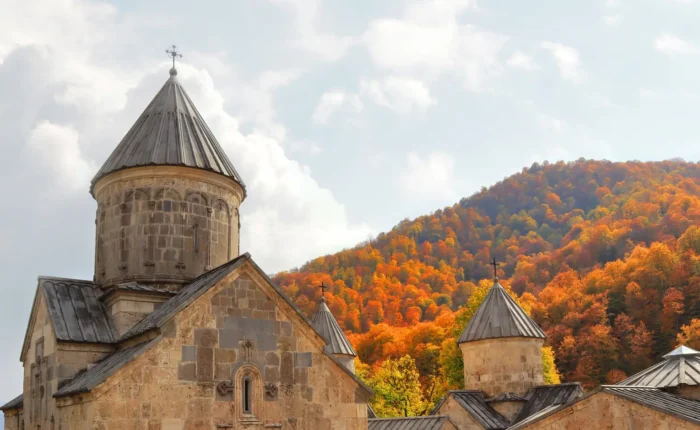
Autumn is one of the most beautiful seasons to visit Armenia. From September to late October, the landscapes transform into warm shades of gold, orange, and deep red, especially in forested regions like Dilijan and Lori.
Temperatures are comfortable and mild, making it ideal for sightseeing, hiking, and exploring monasteries. September often feels like an extension of summer, while October is mild, and November brings cooler, crisp air.
Autumn is also the harvest season in Armenia. Vineyards and orchards are full of activity, and local markets offer fresh grapes, pomegranates, figs, and nuts.
For travelers who prefer fewer crowds and pleasant weather, autumn is one of the best times to visit Armenia.

On September 21st, Armenia celebrates Independence Day with many concerts organized in Yerevan. The main one takes place in Republic Square followed by a breathtaking fireworks. The first weekend of October marks Yerevan’s birthday with concerts, fireworks, and the Air Balloon festival. Dozens of Air Balloons fly over the city and it is possible to get a ride in one of them.
The Areni Wine Festival is held annually in Areni village and is a highly anticipated event for wine lovers. It attracts visitors from across Armenia and abroad who want to experience the country’s winemaking traditions firsthand.
The name Areni comes from the local endemic grape variety, after which the village and many Armenian wines are named.
Wineries from across the country participate with their own booths. Locals from Areni and nearby villages also present homemade wines, dried fruits, cheeses, and traditional dishes.
Visitors can join Armenian national dance classes, listen to live music, speak with local producers, taste a wide variety of wines, and enjoy the lively festive atmosphere.
Shoulder seasons are the most affordable time to travel.
You’ll save the most in spring (mid-April to early June) and fall (late September to early November). Hotel and airfare prices are usually 20 to 30 percent lower than in the summer. Tour companies may also lower their rates, and the weather is still comfortable for sightseeing.
For travelers who prefer predictable costs and a higher level of comfort regardless of season, our Luxury Armenia Escape Tour offers a carefully curated experience with premium hotels, private services, and thoughtfully planned sightseeing included in the overall price.
Winter travel can be cheaper, with a few exceptions.
January through March is another affordable time, especially in Yerevan, where prices drop after the New Year holidays. Travelers on a budget can find discounts on hotels, meals, and guided tours. But prices can rise in ski areas like Tsaghkadzor during the winter sports season.
Expect higher prices during summer travel.
Late June through August is peak travel season in Armenia. Festivals, school vacations, and warm weather drive up demand. Hotel rates increase, attractions become crowded, and day trips fill up quickly, so book early.
Deals on car rentals and tours
Car rentals and tours usually cost less in off-peak months. You may also receive free upgrades or additional mileage. The winter and shoulder seasons offer more availability and better package deals, especially for multi-day road trips across different regions.
Armenia is a country of four distinct seasons, each offering unique experiences for travelers. From scenic landscapes and flavorful cuisine to vibrant festivals and international cultural events, there is always something happening throughout the year.
One of the most important highlights is Armenian hospitality. Visitors are welcomed by open and friendly people who are happy to offer directions, answer questions, or simply share a warm conversation.
Spontaneous invitations to local homes, especially in rural areas, often become the most memorable part of a trip. Guests may be offered coffee, sweets, or whatever is available at the moment, creating an authentic and heartfelt experience.
No matter your travel preferences, you can find the best time to visit Armenia and feel at home while exploring the country. Explore our Armenia tours to discover the experiences that suit you best.
The most comfortable months to visit Armenia are May, June, September, and October, when the weather is mild and ideal for sightseeing and outdoor activities. July and August are excellent for festivals and mountain trips, while the winter months are best for snow and ski experiences.
January is generally the coldest month in Armenia. In Yerevan, temperatures often drop below 0°C, while mountainous regions can experience significantly colder conditions with heavy snowfall.
Snow typically falls from December through February, especially in higher altitude areas. Armenia in December and Armenia in February are popular for winter landscapes and skiing, while mountain resorts may keep snow into early spring.
Armenia in April is usually mild rather than hot. Daytime temperatures in Yerevan often range between 15°C and 20°C, making it a pleasant month for walking tours and sightseeing.




Download & enter email to get exciting info about Caucasus
